No items found.
Right side up logoRight side up logo

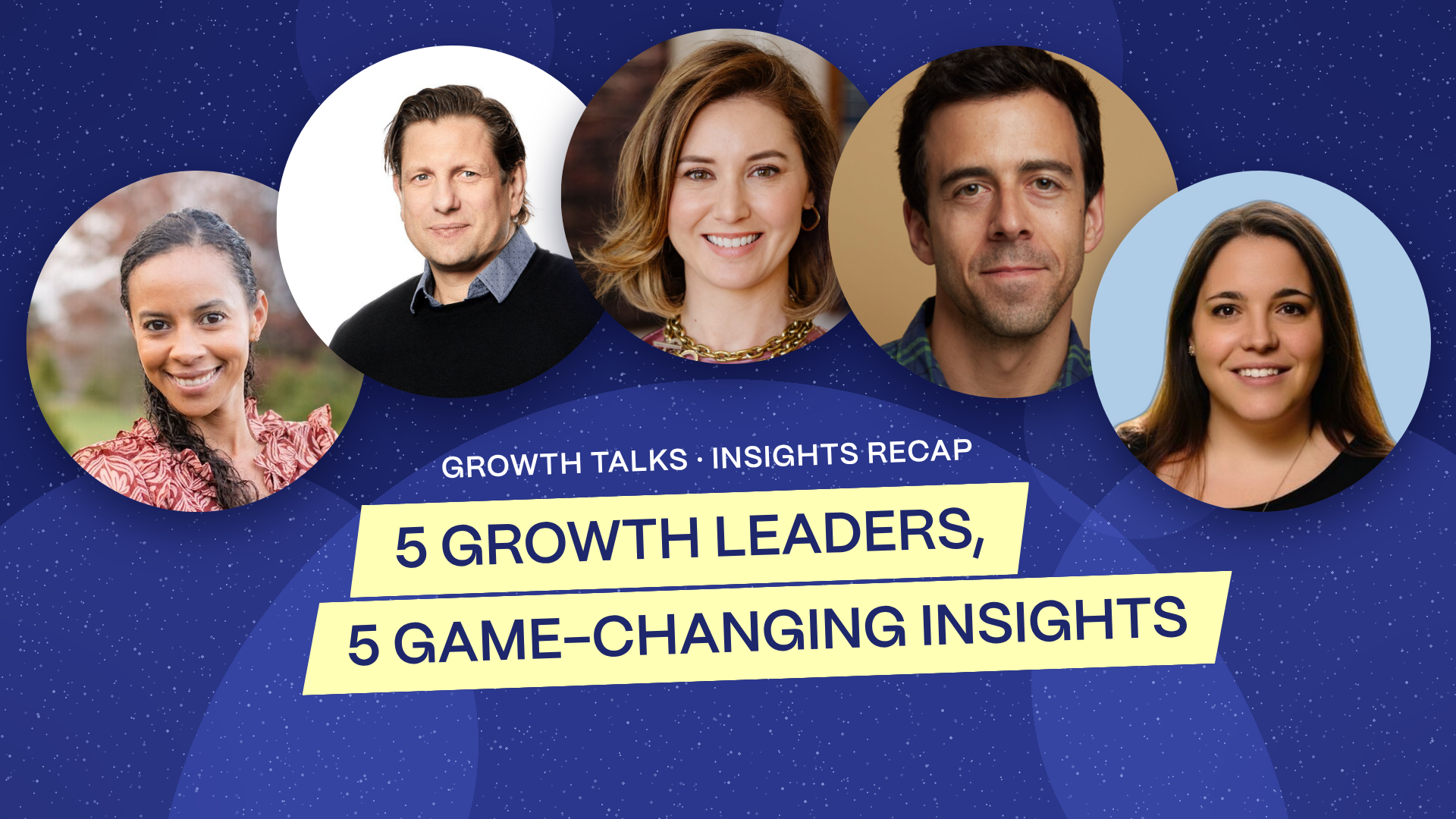
Growth Talks Insights Recap: 5 Growth Leaders, 5 Game-Changing Insights

Published

October 29, 2026

“I would really encourage all marketing teams, both leaders and ICs, to lean into the uncomfortable.”

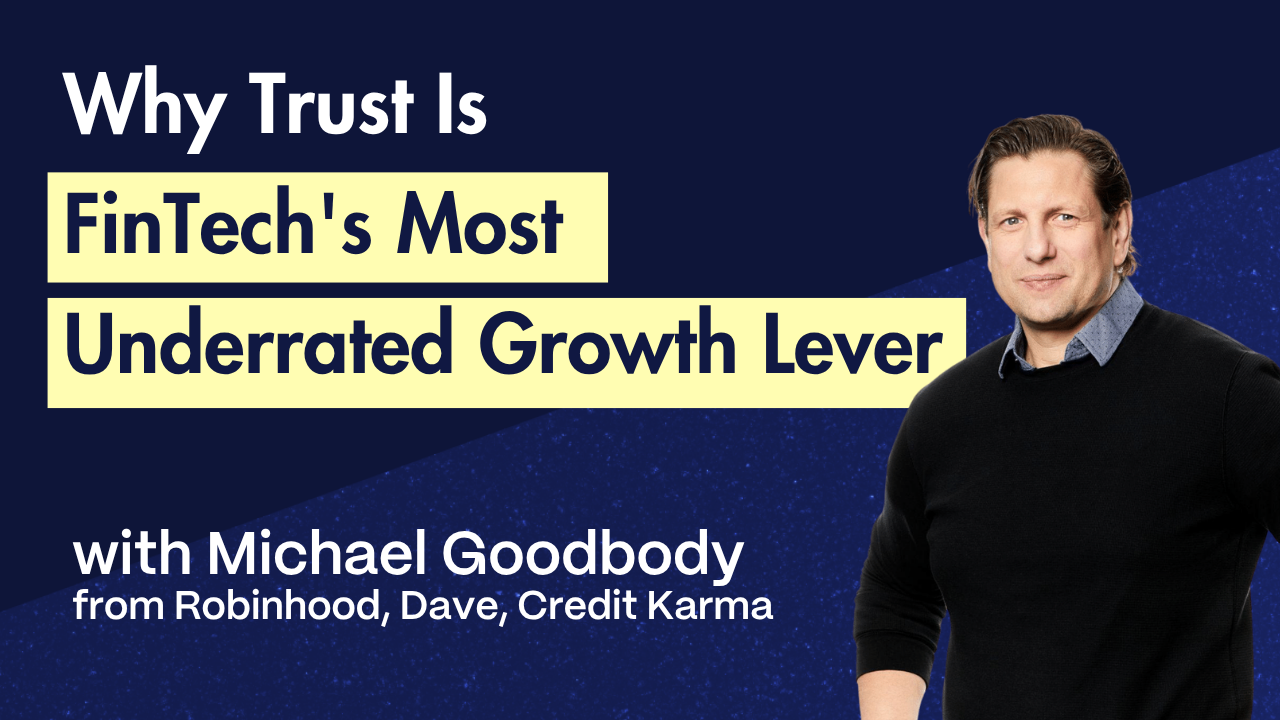
In this Growth Talks insights recap, host Krystina Rubino revisits five standout conversations from this season. Nikki Jackson, Head of Demand Generation at Gusto, shares how her team learned AI by doing. Michael Goodbody, a FinTech Growth Leader, shows how a sports sponsorship test made trust measurable. Tatiana Birgisson, COO at Serval and former VP Marketing at Rippling, explains how to spot a channel maturing before it fizzles. Andrew Silard, Fractional Head of Growth and former Head of Growth Marketing at Notion, breaks down the spike test. Brie Temple, Chief Commercial Officer at Tawkify, rethinks customer lifetime value for a business built around something other than renewals.

🗡️ Key Takeaways:

  • Learn by doing, and share the failures. Nikki Jackson built example agents herself and recorded videos for her team. She encourages teammates to post where they get stuck so others can help.
  • Trust can be tested like any other growth lever. Michael Goodbody ran a match market test with a sports sponsorship, then tracked awareness, trust, and subscription conversions as they moved in sequence.
  • Build the next channel before the current one peaks. Tatiana Birgisson's stacked S-curve approach starts with execution. If input metrics like CPMs are already softening, you are probably too late to start the next curve.
  • Use spike tests to see whether a channel can scale. Andrew Silard suggests increasing spend by 5x to 10x and watching for a roughly linear response. Going from 10 to 80 signups is a strong signal. Going from 10 to 12 is not.
  • Lifetime value looks different when renewals aren't the goal. Brie Temple explains that at Tawkify, renewals are a small share of the business by design. The focus is on adding value across each customer's journey, and referrals make up a healthy share of new business.

⏰ Timestamps:‍

00:00 - Intro
00:37 - Nikki Jackson: Leading an AI rollout by learning by doing
02:42 - Michael Goodbody: Measuring trust as a growth lever
09:55 - Tatiana Birgisson: Stacked S-curves and knowing when a channel matures
15:16 - Andrew Silard: Spike testing for scaling channels
17:29 - Brie Temple: Customer lifetime value beyond renewals
19:42 - Closing and Right Side Up

🔗 Mentioned in this episode:

Gusto: https://gusto.com
Serval: https://www.serval.com/
Rippling: https://www.rippling.com
Notion: https://www.notion.com
Tawkify: https://tawkify.com
Washington Wizards: https://www.nba.com/wizards
Robinhood: https://robinhood.com

We'll be dropping episodes every other week. Want to follow along and listen to new episodes when they're released? Subscribe to Growth Talks on YouTube or wherever you get your podcasts.

FAQ

How do you get a marketing team comfortable with AI?

Start with the people willing to build. Nikki Jackson's approach at Gusto was learning by doing. She built examples herself, recorded short videos for her team, and showed colleagues that the work was possible for them too. She describes that enthusiasm as contagious: once a few people start building and sharing, others want to join in. The agents her team built now handle a lot of day-to-day work, which frees up time for more strategic projects. She also encourages sharing failures in a team channel. When a teammate has already solved the same problem, the next person gets unstuck faster, and the whole team learns more quickly.

How can you prove that trust drives revenue?

Trust can be measured as a growth lever rather than treated as a soft brand goal. Michael Goodbody ran a match market test: a jersey partnership with a Washington sports team, measured against a comparable market without it. The team tracked brand awareness and trust, then subscription conversions, which they used as a signal of higher-quality users. Awareness rose first, trust followed, and conversions rose later on a lag. Goodbody describes trust as a multiplier that improves how every ad, mention, and decision performs. He also noted that he couldn't recall exactly which brand measure captured the trust signal, so it's worth confirming your own metrics before you build a test like this.

How do you know when a channel is running out of room?

Watch the input metrics, not just the results. Tatiana Birgisson describes a stacked S-curve: every channel matures, so the next one should be developing before the current one fizzles. Before you conclude a channel is maturing, confirm your execution is strong, because weak returns can reflect poor execution rather than a mature channel. Once you are confident, watch for input metrics softening. In paid social, rising CPMs or a tapped-out audience are warning signs. In email, a falling reply rate can be one. By the time those signals appear, you are likely too late to start the next curve. She also warns against testing a new channel too small. One billboard won't show up in any metrics, so invest enough to give a new channel a fair test.

What is a spike test?

A spike test temporarily increases investment in a channel by a large multiple to see how it responds. Andrew Silard recommends scaling by about 5x to 10x. For organic channels, you can launch more partnerships or a bigger referral campaign on the same day. The goal is a roughly linear response. For example, a team that moved from $1,000 a day to $10,000 a day and saw signups rise from 10 to 80 would have a clear signal, even with some diminishing returns. If signups only rose from 10 to 12, the channel may not be doing much. Silard calls the test directionally helpful rather than scientific. He pairs it with the pause test, turning a channel off for two weeks, and flags spreading a team too thin as a subtle failure mode.

How should lifetime value work when renewals aren't the goal?

The standard SaaS playbook focuses on renewals, but some businesses are built differently. Brie Temple explains that at Tawkify, renewals are a small share of the business by design. Members may improve to the point where they are doing well on their own, stay in a relationship, or decide to move on for personal reasons. So instead of asking how to increase lifetime value, the team focuses on adding value throughout each customer's journey. Referrals are a healthy share of the business, and members on early success can gift part of their remaining credits to someone else. Temple has seen marriages come from those gifted memberships.

Episode Transcript

Let's talk growth

Get in touch

Let's talk growth

Get in touch

Let's talk growth

Get in touch

Hungry for growth?

Sign up for growth marketing insights delivered straight to your inbox